Skip links

Incident Reporting & Escalations

Capture incidents fast, escalate what matters, and track actions to closure

What this solves

Incidents often get reported late, with incomplete details, and follow-ups live in separate places. In multi-site operations that creates the same problems repeatedly: serious issues aren’t escalated quickly enough, corrective actions are unclear, and leadership only finds out after the fact.

Margin Resolve makes incident reporting practical: report it, assign it, escalate it, close it—with a clean history and proof.

How it works in practice

Teams log an incident from mobile or web using a consistent form that captures the essentials: what happened, where it happened, what category it falls under, and how serious it is. They can add photos and notes immediately, so the report is clear and usable without chasing people later.

Once submitted, the incident becomes a trackable workflow. It has an owner, a status, and follow-up actions with due dates. If it’s high severity, it can be escalated so the right people are notified quickly and the issue gets attention.

If the incident requires a physical fix—like damaged flooring, broken equipment, or a safety hazard—the team can raise a linked maintenance work order so repair work is tracked properly. If the incident involves a system outage or device failure, it can raise an IT helpdesk ticket instead.

Everything stays connected, so you can always see the incident, the actions taken, and the final outcome.


A realistic example day

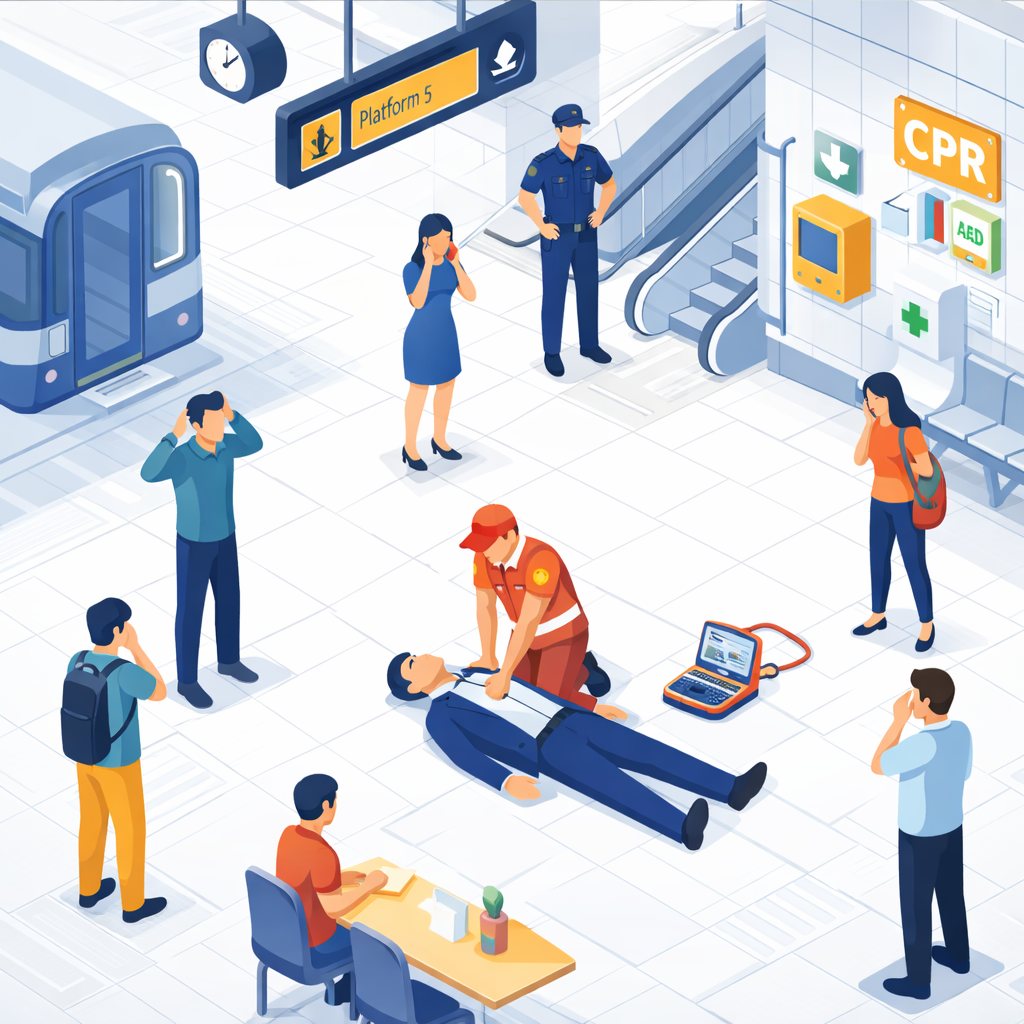
A staff member reports a slip incident. They capture a photo of the area and add brief notes while the details are fresh. Because it’s marked as high severity, it’s escalated to the right managers immediately.

During review, the investigator assigns corrective actions: signage placed, cleaning procedure reviewed, and a repair request raised for a damaged surface. The repair becomes a linked work order with a due date, and the incident stays open until actions are completed and verified.

Leadership can see, in real time, what happened, what actions were assigned, what’s overdue, and what has been closed—across all sites.

What you gain from doing this consistently

You get faster reporting, better accountability, and fewer repeat incidents. Every incident has a clear trail: evidence, ownership, actions, and closure proof. You also gain confidence in audits and internal reviews, because records are consistent and easy to export.

Over time, reporting helps you identify patterns—repeat incident types, hotspot areas, sites with higher risk, and the real drivers behind recurring problems.

Ready to improve incident response across every site?

This website uses cookies to improve your web experience.